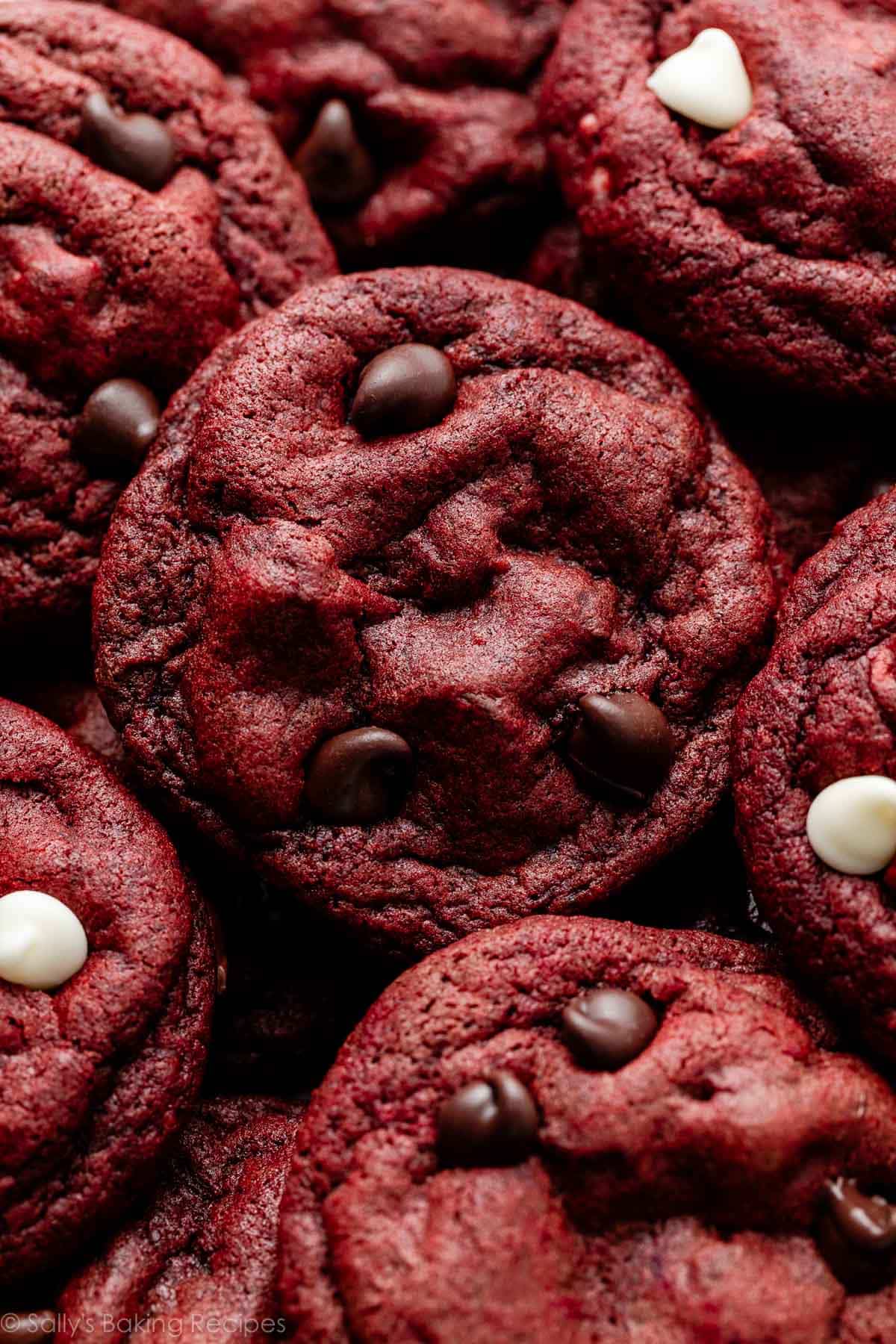
Red Velvet Cookies: Unraveling the Buttermilk Debate & Mastering Holiday Baking
Few desserts capture hearts quite like red velvet. With its striking crimson hue, delicate cocoa notes, and signature tangy sweetness, it’s a flavor profile that evokes warmth, elegance, and celebration. While red velvet cake reigns supreme, its cookie counterpart has emerged as a beloved treat, offering all the iconic appeal in a convenient, portable form.
Perfect Red Velvet Cookies: White Chocolate & Cake-Like Texture are especially popular for their unique blend of cake-like tenderness and chewy cookie texture. But as with many classic recipes, baking these delightful cookies often sparks a lively discussion, particularly concerning one key ingredient: buttermilk.
This article delves deep into the world of red velvet cookies, exploring what makes them so irresistible, addressing the crucial buttermilk debate, and arming you with expert tips to make them a show-stopping addition to your holiday baking repertoire.
The Irresistible Allure of Red Velvet Cookies
At their core, red velvet cookies deliver everything we love about the cake in a delightful, bite-sized package. They are cherished for a few distinct characteristics:
- Signature Texture: The best red velvet cookies boast a heavenly texture – often with slightly crispy edges yielding to a wonderfully soft, chewy, and even somewhat cake-like center. This unique blend of textures is a hallmark of a well-executed recipe.
- Distinct Flavor Profile: Red velvet is more than just chocolate with red food coloring. It typically contains a lesser amount of cocoa powder compared to a traditional chocolate cookie, allowing for a nuanced, subtle chocolate flavor. This is beautifully complemented by vanilla, a hint of tang (historically from acidic ingredients like buttermilk or vinegar), and, of course, sweetness.
- Vibrant Color: The iconic deep red or crimson color is undeniably part of its charm, instantly recognizable and visually appealing, especially during festive seasons.
- White Chocolate Perfection: Many red velvet cookie recipes incorporate white chocolate chips or chunks. This pairing is a match made in heaven, as the creamy sweetness of white chocolate provides a delightful contrast to the subtle tang and hint of cocoa in the red velvet dough. Whether you prefer the melt of chopped baking bars or the convenience of chips, white chocolate elevates the overall experience. Some recipes even include semi-sweet chocolate for an added layer of complexity.
These attributes make red velvet cookies incredibly versatile, suitable for casual snacking, elegant dessert platters, and especially holiday gifting.
The Buttermilk Debate: Essential or Optional?
Perhaps no ingredient sparks more discussion in the red velvet world than buttermilk. Is it truly necessary for achieving that authentic taste and texture, or can you achieve stellar results without it? The answer, as often happens in baking, is nuanced.
The Case for Buttermilk
Traditionally, buttermilk plays a vital role in red velvet recipes. Here's why proponents argue for its inclusion:
- Acidity for Color and Flavor: Buttermilk is acidic. In classic red velvet, this acid reacted with the anthocyanins in natural cocoa powder, enhancing the red hue (though modern recipes often rely on food coloring for vibrancy). More importantly, the acidity contributes to the characteristic subtle tang that balances the sweetness and differentiates red velvet from a standard chocolate cookie.
- Velvety Texture: The acid in buttermilk also reacts with baking soda to create carbon dioxide, which contributes to the tender, "velvet" crumb. It helps keep cookies wonderfully moist and tender as they bake, preventing them from drying out.
- Authenticity: For purists, buttermilk is a non-negotiable part of the traditional red velvet experience, evoking the classic cake's heritage. The Pioneer Woman's recipe, for example, emphasizes buttermilk for its role in moisture and tenderness.
If you're aiming for the most authentic, tang-infused, and moist red velvet cookie, using buttermilk is often the recommended path.
The Case Against Buttermilk (or for Alternatives)
Despite its traditional role, many fantastic red velvet cookie recipes skip buttermilk entirely. Why?
- Convenience: For many home bakers, buttermilk isn't a pantry staple. Making a special trip to the grocery store for one ingredient can be a deterrent, especially for a quick, last-minute dessert craving.
- Achieving Similar Results: Modern recipes have found clever ways to replicate the effects of buttermilk. Some might use a combination of regular milk with a touch of vinegar or lemon juice to create a homemade buttermilk substitute. Others simply adjust the liquid ratios and rely on other ingredients to maintain moisture and tenderness, sometimes even omitting the distinctive tang. One popular quick recipe specifically highlights its ability to deliver authentic red velvet flavor *without* buttermilk, making it incredibly convenient for last-minute baking. If you are looking for a quick option, check out Quick Red Velvet Cookies: Soft, Chewy & No Chilling Needed.
- Focus on Other Attributes: For some, the primary draw of red velvet cookies is the color and the combination with white chocolate, rather than the subtle tang. Recipes omitting buttermilk often focus on maximizing chewiness and softness, which can be achieved through precise flour-to-fat ratios and baking techniques.
Ultimately, both approaches can yield delicious results. The "best" method depends on your preference for authenticity, convenience, and the specific flavor and texture profile you're aiming for. Don't let the absence of buttermilk in your fridge deter you from baking these cookies!
Mastering Your Red Velvet Cookies: Essential Baking Tips
Regardless of your stance on buttermilk, achieving perfect red velvet cookies requires attention to a few key baking principles:
- Do Not Overbake: This is arguably the most crucial tip for any soft and chewy cookie, but especially for red velvet. Pull them from the oven when the edges are just set and lightly golden, but the centers still look slightly soft or underdone. They will continue to cook on the hot baking sheet. Overbaking will result in dry, crumbly cookies, losing that coveted soft center.
- Choose Your Chocolate Wisely: While white chocolate chips are a popular choice, consider using a good quality white chocolate bar, chopped into chunks. Chunks melt more unevenly, creating pockets of gooey, creamy chocolate throughout the cookie. If you're a fan of a richer contrast, a mix of white and semisweet chocolate chips works beautifully too.
- Room Temperature Ingredients: Ensure your butter and eggs are at room temperature. This allows them to cream together properly, incorporating air into the dough, which contributes to a tender texture.
- Vibrant Red Coloring: For the most striking red, use gel food coloring instead of liquid. Gel colors are more concentrated, requiring less to achieve a deep hue, which helps avoid adding excess liquid to your dough. Start with a small amount and add more until you reach your desired shade.
- Don't Skip the Cocoa (Even a Little): Remember, red velvet has a hint of cocoa. Even a small amount is essential for that subtle chocolate undertone that distinguishes it from a purely vanilla cookie.
- Chilling (or Not!): Some recipes, especially those without buttermilk, boast no chilling time required, perfect for last-minute cravings. However, if your dough feels too sticky or you're using a recipe that traditionally includes chilling, don't hesitate. Chilling helps solidify the fat, preventing excessive spread and ensuring a chewier cookie. If freezing dough balls for later, allow them to thaw slightly before baking.
Red Velvet Cookies for Every Celebration: Holiday Baking Tips
Red velvet cookies are particularly well-suited for holiday baking, thanks to their festive color and crowd-pleasing flavor.
- Christmas Cookie Tins: The vibrant red makes them a natural fit for Christmas, reminiscent of Santa's suit! Include them in your holiday cookie assortments for gifting. They pair beautifully with green-frosted sugar cookies or classic gingerbread.
- Valentine's Day Dessert: With their romantic hue, red velvet cookies are a perfect treat for Valentine's Day. Bake a batch for your sweetheart, or package them beautifully for classroom parties or office treats. A drizzle of cream cheese frosting or a sprinkle of sparkling sugar can add an extra touch of elegance.
- Make-Ahead Magic: For busy holiday bakers, red velvet cookies are a dream. You can bake them ahead and store them in an airtight container at room temperature for several days. Even better, prepare the dough balls and freeze them. Simply transfer the frozen dough balls to a resealable bag and bake straight from frozen (adding a minute or two to the baking time), or let them thaw for about 30 minutes at room temperature before baking. This makes fresh-baked cookies accessible on demand, reducing holiday stress.
- Football Parties & Beyond: Don't limit these beauties to just major holidays. Their easy appeal makes them suitable for game day snacks, potlucks, or simply as a comforting treat on an ordinary Tuesday.
Whether you’re a purist who insists on buttermilk or a convenience seeker opting for a no-chilling method, red velvet cookies offer a delightful baking experience. They combine familiar comfort with a touch of celebratory flair, making them an ideal choice for any occasion, but especially magical during the holiday season. Embrace the debate, experiment with recipes, and enjoy the delicious results!